
Skin Health

Blog

Cleanser: The First Step to Healthy, Clear, and Radiant Skin

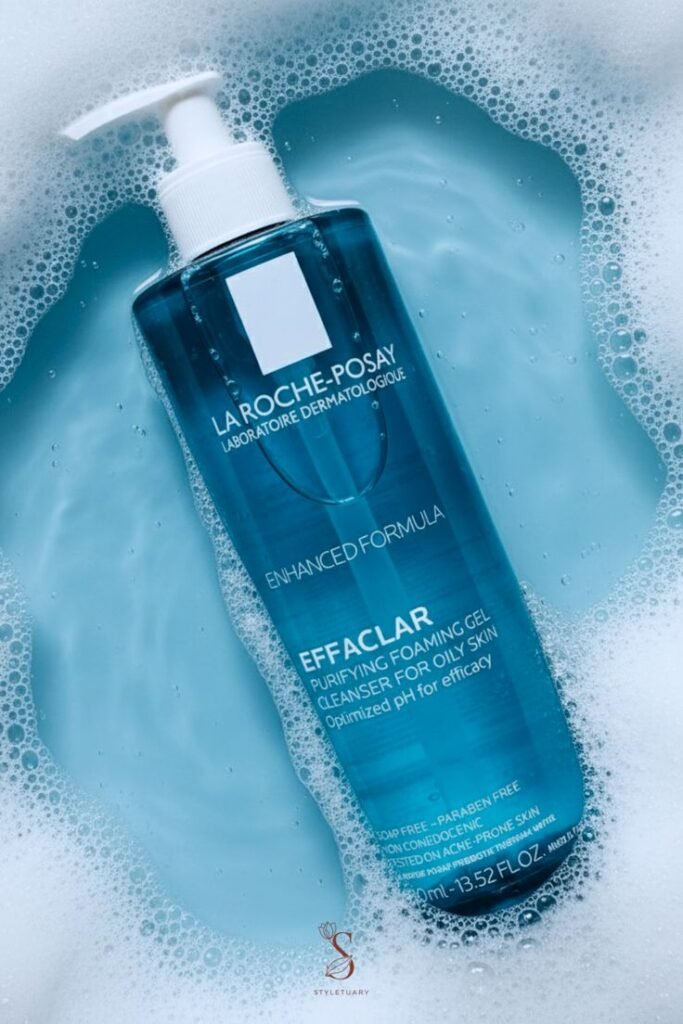
Introduction A cleanser is one of the most essential products in any skincare routine. It is designed to remove dirt, oil, makeup, sweat, and impurities from the skin, helping to keep your face clean, fresh, and healthy. No matter your skin type—oily, dry, combination, or sensitive—a good cleanser helps maintain skin balance and prepares your skin for the next steps in your skincare routine. Daily exposure to pollution, dust, and environmental stress can clog pores and lead to dullness, acne, and uneven texture. Using a cleanser regularly helps prevent these issues and supports clear, glowing skin. What Is a Cleanser? A cleanser is a skincare product formulated to clean the surface of the skin without stripping away its natural moisture. Unlike regular soap, facial cleansers are specially designed to be gentle on delicate facial skin while effectively removing impurities. Cleansers come in different forms such as gels, foams, creams, oils, and micellar water, each suited for different skin needs. Benefits of Using a Cleanser 1. Removes Dirt and Impurities Cleansers help eliminate dust, pollution, sweat, and excess oil that accumulate on the skin throughout the day. 2. Prevents Acne and Breakouts By keeping pores clean, cleansers reduce the chances of clogged pores, blackheads, and pimples. 3. Maintains Skin Health Regular cleansing supports a healthy skin barrier and keeps the skin balanced and refreshed. 4. Improves Skin Texture Clean skin feels smoother and looks more even and radiant. 5. Prepares Skin for Skincare Products A clean face allows serums, moisturizers, and treatments to absorb better and work more effectively. 6. Helps Control Oil Production For oily skin types, cleansers help remove excess sebum and reduce shine. Types of Cleansers Gel Cleanser Best for oily and acne-prone skin. It deeply cleans pores and removes excess oil. Foam Cleanser Creates a rich lather that cleans deeply while leaving the skin feeling fresh. Cream Cleanser Ideal for dry and sensitive skin, providing gentle cleansing with added hydration. Oil Cleanser Effectively removes makeup and sunscreen while maintaining skin moisture. Micellar Water A gentle, no-rinse cleanser that removes light makeup and impurities. How to Choose the Right Cleanser For Oily Skin Look for: Oil-free formulas Foaming or gel-based cleansers Ingredients like salicylic acid For Dry Skin Choose: Cream-based cleansers Hydrating ingredients like glycerin and hyaluronic acid For Sensitive Skin Select: Fragrance-free products Gentle, non-irritating formulas For Combination Skin Use balanced cleansers that cleanse without over-drying. How to Use a Cleanser Correctly Step 1: Wet Your Face Use lukewarm water to prepare your skin. Step 2: Apply Cleanser Take a small amount and gently massage it onto your face in circular motions. Step 3: Focus on Key Areas Pay attention to the T-zone (forehead, nose, chin), where oil and dirt accumulate. Step 4: Rinse Thoroughly Wash off the cleanser completely with water. Step 5: Pat Dry Gently dry your face with a clean towel. Step 6: Follow Skincare Routine Continue with toner, serum, moisturizer, and sunscreen (daytime). Common Cleanser Mistakes Using Harsh Products Strong cleansers can strip natural oils and damage the skin barrier. Over-Cleansing Washing too often can cause dryness and irritation. Not Removing Makeup Properly Always ensure makeup is fully removed before sleeping. Using Very Hot Water Hot water can dry out and irritate the skin. Tips for Best Results Cleanse your face twice daily (morning and night). Choose a cleanser based on your skin type. Be gentle—avoid harsh scrubbing. Always moisturize after cleansing. Use sunscreen during the day.
Blog

Sun Cream: Your Daily Shield for Healthy, Radiant Skin

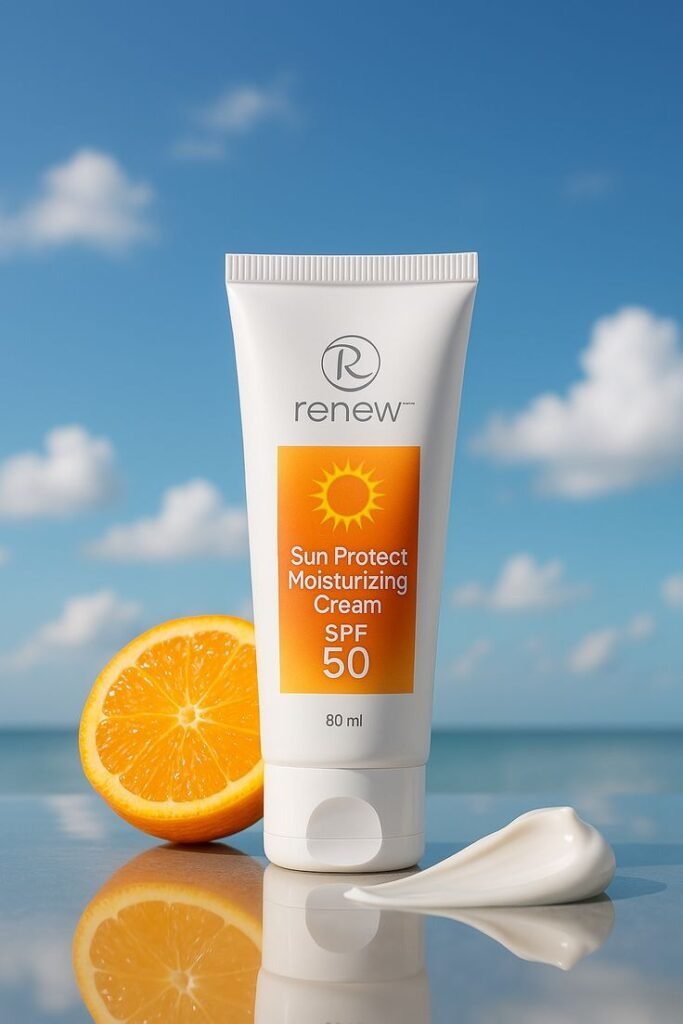
Sun Cream: The Ultimate Guide to Protecting Your Skin Every Day Introduction Sun cream is more than just a seasonal skincare product—it’s an essential part of a healthy daily routine. Whether you’re heading to the beach, commuting to work, exercising outdoors, or spending time near windows, your skin is constantly exposed to ultraviolet (UV) rays that can cause both immediate and long-term damage. Using sun cream regularly helps protect your skin from harmful UV radiation, preventing sunburn, premature aging, pigmentation, and even reducing the risk of skin cancer. In today’s world, where environmental factors and increased sun exposure can negatively impact skin health, sun cream serves as a powerful shield that keeps your skin safe, healthy, and youthful. What Is Sun Cream? Sun cream, also known as sunscreen, is a skincare product designed to protect the skin from the sun’s ultraviolet rays. It contains active ingredients that either absorb, reflect, or scatter UV radiation before it can penetrate and damage the skin. There are two primary types of UV rays that affect the skin: UVA Rays: Responsible for premature aging, wrinkles, and long-term skin damage. UVB Rays: Cause sunburn and play a significant role in the development of skin cancer. A broad-spectrum sun cream protects against both UVA and UVB rays, offering comprehensive defense against sun-related skin damage. Why Is Sun Cream Important? Many people believe sun cream is only necessary during summer or on sunny days. However, UV rays can penetrate clouds and affect your skin throughout the year. Even indoor exposure through windows can contribute to skin aging and damage. Benefits of Using Sun Cream 1. Prevents Sunburn Sunburn occurs when the skin receives excessive UV radiation. Sun cream acts as a protective barrier, reducing the risk of redness, irritation, and peeling. 2. Reduces Premature Aging Regular use of sun cream helps prevent fine lines, wrinkles, and loss of skin elasticity caused by prolonged sun exposure. 3. Prevents Dark Spots and Hyperpigmentation UV exposure can trigger uneven skin tone and pigmentation. Sun cream helps maintain a brighter, more even complexion. 4. Lowers the Risk of Skin Cancer Consistent sun protection reduces cumulative UV damage, one of the leading causes of skin cancer. 5. Maintains Healthy Skin Sun cream protects collagen and elastin fibers, helping the skin remain firm, smooth, and youthful. Understanding SPF SPF stands for Sun Protection Factor. It measures how effectively a sunscreen protects against UVB rays. Common SPF Levels SPF 15: Blocks approximately 93% of UVB rays. SPF 30: Blocks approximately 97% of UVB rays. SPF 50: Blocks approximately 98% of UVB rays. SPF 100: Offers slightly higher protection but does not provide complete blockage. For everyday use, dermatologists generally recommend SPF 30 or higher. Types of Sun Cream Mineral (Physical) Sunscreen Mineral sunscreens contain ingredients such as zinc oxide and titanium dioxide that sit on the skin’s surface and reflect UV rays. Advantages: Suitable for sensitive skin Provides immediate protection Less likely to cause irritation Chemical Sunscreen Chemical sunscreens absorb UV rays and convert them into heat before releasing them from the skin. Advantages: Lightweight texture Easy to apply Often leaves no white residue Choosing the Right Sun Cream for Your Skin Type For Oily Skin Look for: Oil-free formulas Gel-based sunscreens Non-comedogenic products For Dry Skin Choose: Moisturizing sunscreens Cream-based formulas Products containing hyaluronic acid or glycerin For Sensitive Skin Select: Fragrance-free options Mineral sunscreens Dermatologist-tested products For Combination Skin Lightweight lotions with balanced hydration work best. How to Apply Sun Cream Correctly Many people do not apply enough sunscreen, reducing its effectiveness. Follow These Steps: Cleanse and moisturize your skin. Apply sun cream 15–20 minutes before sun exposure. Use a generous amount on all exposed areas. Don’t forget commonly missed spots: Ears Neck Hands Feet Back of the neck Reapply every two hours. Reapply immediately after swimming, sweating, or towel drying. Common Myths About Sun Cream Myth 1: I Only Need Sun Cream on Sunny Days Fact: UV rays can penetrate clouds and affect your skin year-round. Myth 2: Dark Skin Doesn’t Need Sunscreen Fact: All skin tones can experience sun damage and benefit from protection. Myth 3: Makeup with SPF Is Enough Fact: Makeup SPF alone is usually insufficient for full protection. Myth 4: One Application Lasts All Day Fact: Sunscreen needs regular reapplication to remain effective. Additional Sun Protection Tips While sun cream is essential, combining it with other protective measures provides the best results: Wear sunglasses with UV protection. Use wide-brimmed hats. Seek shade during peak sunlight hours. Wear protective clothing when outdoors. Stay hydrated throughout the day.  

Shopping Cart
Scroll to Top