Healthy Skin

Blog

Cleanser: The First Step to Healthy, Clear, and Radiant Skin

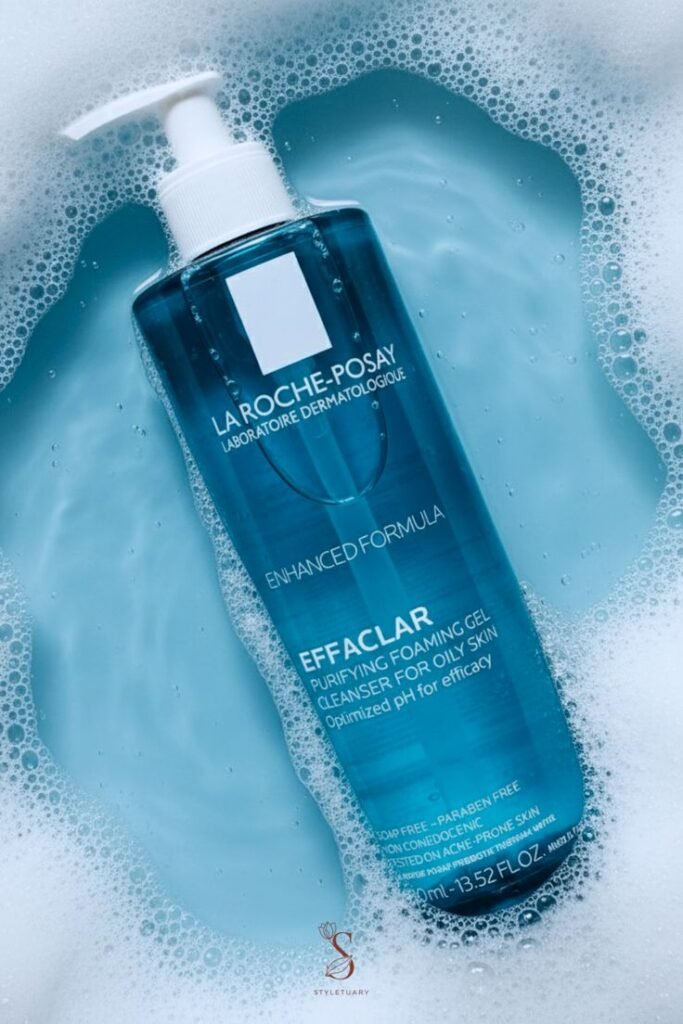
Introduction A cleanser is one of the most essential products in any skincare routine. It is designed to remove dirt, oil, makeup, sweat, and impurities from the skin, helping to keep your face clean, fresh, and healthy. No matter your skin type—oily, dry, combination, or sensitive—a good cleanser helps maintain skin balance and prepares your skin for the next steps in your skincare routine. Daily exposure to pollution, dust, and environmental stress can clog pores and lead to dullness, acne, and uneven texture. Using a cleanser regularly helps prevent these issues and supports clear, glowing skin. What Is a Cleanser? A cleanser is a skincare product formulated to clean the surface of the skin without stripping away its natural moisture. Unlike regular soap, facial cleansers are specially designed to be gentle on delicate facial skin while effectively removing impurities. Cleansers come in different forms such as gels, foams, creams, oils, and micellar water, each suited for different skin needs. Benefits of Using a Cleanser 1. Removes Dirt and Impurities Cleansers help eliminate dust, pollution, sweat, and excess oil that accumulate on the skin throughout the day. 2. Prevents Acne and Breakouts By keeping pores clean, cleansers reduce the chances of clogged pores, blackheads, and pimples. 3. Maintains Skin Health Regular cleansing supports a healthy skin barrier and keeps the skin balanced and refreshed. 4. Improves Skin Texture Clean skin feels smoother and looks more even and radiant. 5. Prepares Skin for Skincare Products A clean face allows serums, moisturizers, and treatments to absorb better and work more effectively. 6. Helps Control Oil Production For oily skin types, cleansers help remove excess sebum and reduce shine. Types of Cleansers Gel Cleanser Best for oily and acne-prone skin. It deeply cleans pores and removes excess oil. Foam Cleanser Creates a rich lather that cleans deeply while leaving the skin feeling fresh. Cream Cleanser Ideal for dry and sensitive skin, providing gentle cleansing with added hydration. Oil Cleanser Effectively removes makeup and sunscreen while maintaining skin moisture. Micellar Water A gentle, no-rinse cleanser that removes light makeup and impurities. How to Choose the Right Cleanser For Oily Skin Look for: Oil-free formulas Foaming or gel-based cleansers Ingredients like salicylic acid For Dry Skin Choose: Cream-based cleansers Hydrating ingredients like glycerin and hyaluronic acid For Sensitive Skin Select: Fragrance-free products Gentle, non-irritating formulas For Combination Skin Use balanced cleansers that cleanse without over-drying. How to Use a Cleanser Correctly Step 1: Wet Your Face Use lukewarm water to prepare your skin. Step 2: Apply Cleanser Take a small amount and gently massage it onto your face in circular motions. Step 3: Focus on Key Areas Pay attention to the T-zone (forehead, nose, chin), where oil and dirt accumulate. Step 4: Rinse Thoroughly Wash off the cleanser completely with water. Step 5: Pat Dry Gently dry your face with a clean towel. Step 6: Follow Skincare Routine Continue with toner, serum, moisturizer, and sunscreen (daytime). Common Cleanser Mistakes Using Harsh Products Strong cleansers can strip natural oils and damage the skin barrier. Over-Cleansing Washing too often can cause dryness and irritation. Not Removing Makeup Properly Always ensure makeup is fully removed before sleeping. Using Very Hot Water Hot water can dry out and irritate the skin. Tips for Best Results Cleanse your face twice daily (morning and night). Choose a cleanser based on your skin type. Be gentle—avoid harsh scrubbing. Always moisturize after cleansing. Use sunscreen during the day.

Blog

Aloe Vera Gel: The Natural Solution for Healthy, Hydrated, and Refreshing Skin

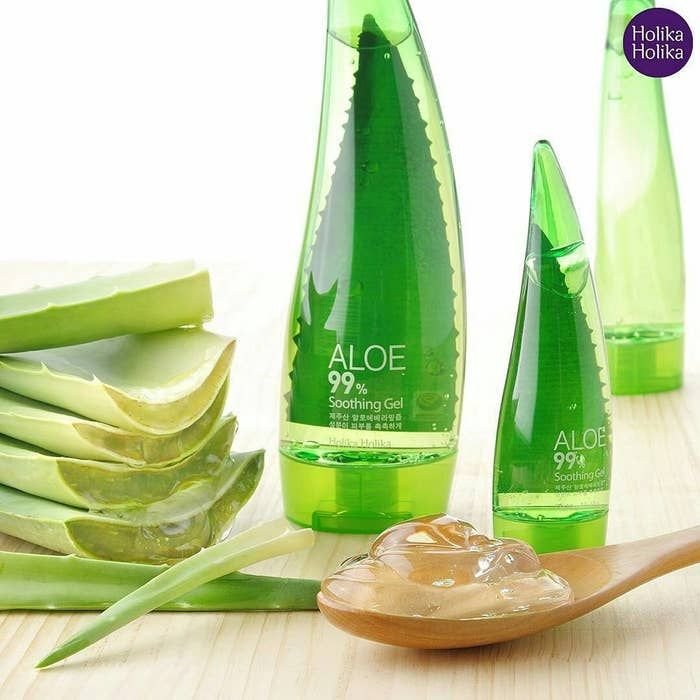
Aloe Vera Gel: The Natural Solution for Healthy, Hydrated, and Refreshing Skin Introduction Aloe Vera Gel is one of the most trusted and widely used natural skincare products in the world. Extracted from the leaves of the aloe vera plant, this soothing gel is packed with vitamins, minerals, antioxidants, and hydrating compounds that help nourish and protect the skin. Known for its cooling and moisturizing properties, Aloe Vera Gel is a versatile beauty essential that can be used for daily skincare, hydration, and overall skin wellness. Whether you are looking to moisturize dry skin, soothe irritation, improve skin texture, or achieve a healthy glow, Aloe Vera Gel offers a gentle and effective solution suitable for almost all skin types. What Is Aloe Vera Gel? Aloe Vera Gel is a clear, lightweight substance extracted from the thick leaves of the aloe vera plant. For centuries, it has been used in traditional beauty and wellness practices due to its natural skin-supporting properties. Modern skincare products often include aloe vera as a key ingredient because of its ability to hydrate, soothe, and refresh the skin without leaving a greasy residue. Benefits of Aloe Vera Gel 1. Deep Hydration Aloe Vera Gel provides lightweight moisture that helps keep the skin soft, smooth, and hydrated throughout the day. 2. Soothes and Refreshes the Skin Its cooling properties help calm the skin, making it feel refreshed and comfortable. 3. Supports Healthy-Looking Skin Rich in vitamins and antioxidants, Aloe Vera Gel helps maintain the skin’s natural beauty and vitality. 4. Improves Skin Texture Regular use may help make the skin feel smoother, softer, and more balanced. 5. Helps Maintain a Natural Glow Hydrated skin often appears brighter and healthier, and Aloe Vera Gel can help enhance that natural radiance. 6. Lightweight and Non-Greasy Unlike heavier creams, Aloe Vera Gel absorbs quickly into the skin, making it ideal for daily use. Nutrients Found in Aloe Vera Gel Aloe Vera Gel contains a variety of beneficial nutrients, including: Vitamin A Vitamin C Vitamin E Amino Acids Enzymes Minerals Antioxidants Natural Moisturizing Compounds These nutrients help support healthy skin and contribute to its refreshed appearance. How to Use Aloe Vera Gel Step 1: Cleanse Your Skin Start with clean skin by washing your face with a gentle cleanser. Step 2: Apply Aloe Vera Gel Take a small amount of gel and gently spread it over your face and neck. Step 3: Massage Gently Use light circular motions to help the gel absorb into the skin. Step 4: Allow It to Absorb Let the gel absorb completely before applying additional skincare products. Step 5: Use Daily For best results, use Aloe Vera Gel in your morning and evening skincare routine. Aloe Vera Gel for Different Skin Types Dry Skin Provides lightweight hydration and helps maintain moisture balance. Oily Skin Absorbs quickly without leaving excess oil or heaviness. Combination Skin Helps hydrate dry areas while feeling comfortable on oily zones. Sensitive Skin Its gentle nature makes it a popular choice for sensitive skin when used appropriately. Mature Skin Supports hydration and helps improve the appearance of skin smoothness. Additional Uses of Aloe Vera Gel Beyond facial skincare, Aloe Vera Gel can be used for: Hand and body moisturization After-sun care Hair and scalp hydration Dry skin relief Daily refreshing skin care Beauty and self-care routines Its versatility makes it a valuable addition to any personal care collection. Tips for Best Results Use on clean skin. Store in a cool place for an extra refreshing effect. Apply regularly for consistent hydration. Pair with sunscreen during the day. Follow with a moisturizer if additional hydration is needed. Why Choose Aloe Vera Gel? Aloe Vera Gel is a natural, lightweight, and versatile skincare product suitable for everyday use. It delivers hydration without clogging pores and helps maintain soft, healthy-looking skin. Its gentle formula makes it ideal for people seeking simple yet effective skincare solutions inspired by nature.  

Blog

Turmeric Serum: The Natural Secret to Bright, Healthy, and Glowing Skin

Turmeric Serum: The Natural Secret to Bright, Healthy, and Glowing Skin Introduction Turmeric serum has become a popular skincare product thanks to its powerful natural properties and long history of use in beauty and wellness traditions. Derived from turmeric, a golden-yellow spice known for its antioxidant and anti-inflammatory benefits, turmeric serum helps improve skin tone, reduce blemishes, and promote a radiant complexion. Suitable for various skin types, this lightweight serum is designed to deliver concentrated nourishment directly into the skin, making it an excellent addition to any skincare routine. As modern skincare continues to embrace natural ingredients, turmeric serum stands out for its ability to address multiple skin concerns while supporting overall skin health. From dullness and uneven skin tone to environmental stress and signs of aging, turmeric serum offers a natural solution for achieving healthier-looking skin. What Is Turmeric Serum? Turmeric serum is a skincare treatment formulated with turmeric extract or curcumin, the active compound found in turmeric. It is typically blended with other beneficial ingredients such as hyaluronic acid, vitamin C, aloe vera, and botanical extracts to enhance its effectiveness. Unlike creams and lotions that sit mainly on the skin’s surface, serums are designed to penetrate deeper layers of the skin, delivering concentrated active ingredients where they can provide maximum benefits. Benefits of Turmeric Serum 1. Brightens the Skin Turmeric is well known for its ability to improve skin radiance and reduce dullness. Regular use can help reveal a brighter and more refreshed complexion. 2. Helps Even Skin Tone Turmeric serum may help reduce the appearance of dark spots, pigmentation, and uneven skin tone, promoting a smoother and more balanced look. 3. Rich in Antioxidants The antioxidants found in turmeric help protect the skin from environmental stressors such as pollution and free radical damage. 4. Supports Healthy-Looking Skin Its natural properties help maintain the skin’s overall health and contribute to a vibrant appearance. 5. Helps Reduce the Appearance of Fine Lines Many turmeric serums are formulated to support skin elasticity and hydration, helping minimize visible signs of aging. 6. Calms and Soothes the Skin Turmeric’s soothing properties make it a popular ingredient for skin that appears stressed, tired, or irritated. Key Ingredients Commonly Found in Turmeric Serums Turmeric Extract The star ingredient that provides antioxidant support and helps enhance skin brightness. Vitamin C Works alongside turmeric to improve skin radiance and reduce the appearance of discoloration. Hyaluronic Acid Provides deep hydration and helps the skin look plump and smooth. Aloe Vera Soothes and hydrates the skin while supporting a refreshed appearance. Niacinamide Helps improve skin texture and supports a more even complexion. How to Use Turmeric Serum Step 1: Cleanse Your Face Start with a gentle cleanser to remove dirt, oil, and impurities. Step 2: Apply the Serum Place a few drops of turmeric serum onto your fingertips and gently apply it to your face and neck. Step 3: Massage Gently Use upward circular motions to help the serum absorb into the skin. Step 4: Follow with Moisturizer Apply a suitable moisturizer to lock in hydration. Step 5: Use Sunscreen During the Day Finish your morning skincare routine with sunscreen to protect your skin from UV damage. Who Can Use Turmeric Serum? Turmeric serum is generally suitable for: Dry skin Oily skin Combination skin Normal skin Mature skin People with sensitive skin should perform a patch test before regular use to ensure compatibility. Tips for Best Results Use consistently as part of your daily skincare routine. Apply on clean skin for maximum absorption. Store the serum in a cool, dry place. Pair with a moisturizer and sunscreen for enhanced benefits. Follow the product instructions for recommended usage. Why Choose Turmeric Serum? Turmeric serum combines the benefits of traditional natural skincare with modern skincare technology. Its lightweight formula allows active ingredients to absorb quickly, making it easy to include in both morning and evening routines. Whether your goal is brighter skin, improved hydration, or a more youthful appearance, turmeric serum offers a versatile solution for a variety of skincare needs.  

Blog

Face Cream: The Essential Skincare Solution for Healthy, Hydrated, and Radiant Skin

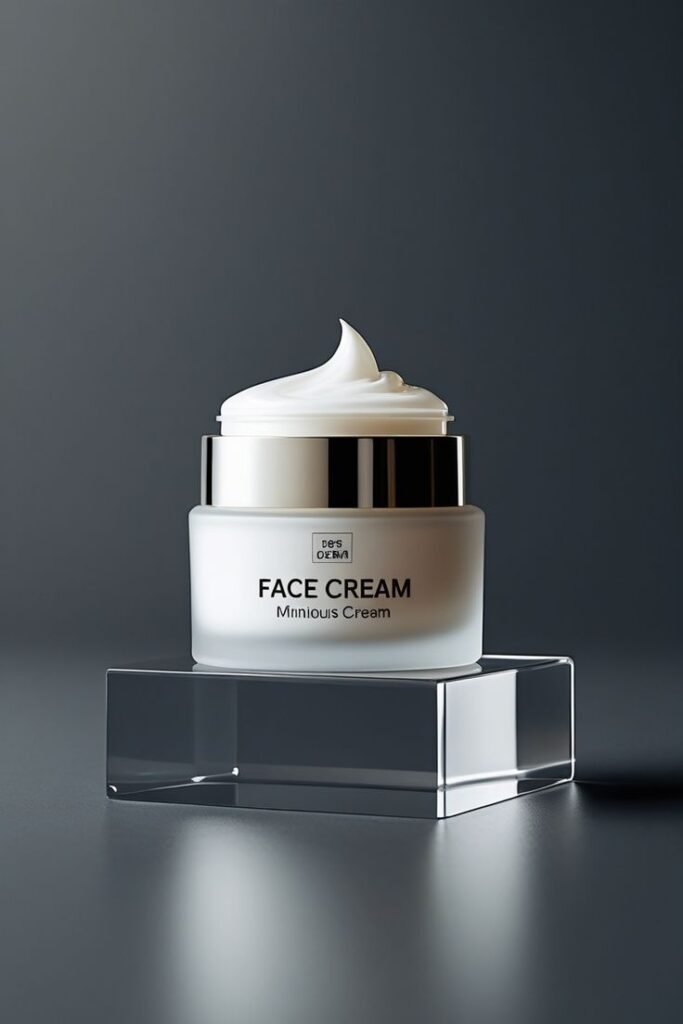
Introduction A face cream is one of the most important products in any skincare routine. Designed to nourish, hydrate, and protect the skin, face creams help maintain a healthy complexion while addressing specific skin concerns such as dryness, aging, dullness, and uneven texture. Whether you have oily, dry, combination, or sensitive skin, choosing the right face cream can significantly improve your skin’s appearance and overall health. With daily exposure to environmental pollutants, changing weather conditions, and stress, the skin can lose moisture and become vulnerable to damage. A high-quality face cream helps restore hydration, strengthen the skin barrier, and keep your skin looking smooth, soft, and youthful. What Is Face Cream? Face cream is a skincare product formulated to moisturize, protect, and improve the condition of facial skin. It contains a blend of hydrating ingredients, vitamins, antioxidants, and nourishing compounds that help support skin health. Unlike body lotions, face creams are specifically designed for the delicate skin on the face and often target particular concerns such as fine lines, acne, pigmentation, or dehydration. Benefits of Using Face Cream 1. Deep Hydration Face creams help lock in moisture and prevent dryness, leaving the skin soft, smooth, and comfortable throughout the day. 2. Strengthens the Skin Barrier A healthy skin barrier protects against pollution, bacteria, and environmental stressors. Face creams help reinforce this natural defense system. 3. Improves Skin Texture Regular use can reduce roughness, improve softness, and create a more even skin surface. 4. Reduces Signs of Aging Many face creams contain ingredients that help minimize fine lines, wrinkles, and loss of firmness, promoting a youthful appearance. 5. Enhances Natural Glow Proper hydration and nourishment help restore radiance, making the skin look healthier and more vibrant. 6. Supports Skin Repair Face creams often contain vitamins and antioxidants that aid in repairing damaged skin and improving overall skin health. Key Ingredients Found in Face Creams Hyaluronic Acid A powerful hydrating ingredient that attracts and retains moisture, helping the skin appear plump and refreshed. Vitamin C Known for its brightening properties, Vitamin C helps improve skin tone and protect against environmental damage. Niacinamide Helps reduce redness, improve texture, and support a stronger skin barrier. Retinol Commonly used in anti-aging creams, retinol promotes skin renewal and helps reduce the appearance of wrinkles. Aloe Vera Provides soothing hydration and helps calm irritated or sensitive skin. Shea Butter A rich moisturizer that nourishes and softens dry skin while providing long-lasting hydration. Choosing the Right Face Cream for Your Skin Type For Dry Skin Look for rich, moisturizing creams containing: Hyaluronic Acid Shea Butter Ceramides Glycerin For Oily Skin Choose lightweight, oil-free formulas that: Hydrate without clogging pores Control excess oil Absorb quickly For Combination Skin Use balanced formulas that provide hydration without feeling heavy or greasy. For Sensitive Skin Select fragrance-free and dermatologist-tested products with calming ingredients such as aloe vera and chamomile. For Mature Skin Choose anti-aging face creams containing: Retinol Peptides Collagen-boosting ingredients Antioxidants How to Apply Face Cream Correctly Following the correct application method can maximize the benefits of your face cream. Step 1: Cleanse Your Face Start with a gentle cleanser to remove dirt, oil, and impurities. Step 2: Apply Toner or Serum If part of your routine, apply toner and treatment serums before moisturizing. Step 3: Apply Face Cream Take a small amount of cream and gently massage it into the skin using upward circular motions. Step 4: Cover the Neck Area Extend the application to your neck for complete skincare coverage. Step 5: Use Daily Apply morning and night for best results. During the day, follow with sunscreen for additional protection. Common Face Cream Myths Myth 1: Oily Skin Doesn’t Need Moisturizer Fact: All skin types need hydration. Skipping moisturizer can actually cause the skin to produce more oil. Myth 2: More Cream Means Better Results Fact: Using excessive amounts may clog pores and waste product. A small amount is usually sufficient. Myth 3: Face Creams Work Instantly Fact: Consistent use over several weeks is typically required to see noticeable improvements. Myth 4: One Face Cream Works for Everyone Fact: Skin types and concerns vary, so choosing a product suited to your needs is essential. Tips for Maintaining Healthy Skin Along with using a quality face cream, consider these healthy skincare habits: Drink plenty of water. Eat a balanced, nutrient-rich diet. Get enough sleep. Avoid excessive sun exposure. Use sunscreen daily. Cleanse your skin regularly. Avoid harsh skincare products that may cause irritation.

Blog

Sun Cream: Your Daily Shield for Healthy, Radiant Skin

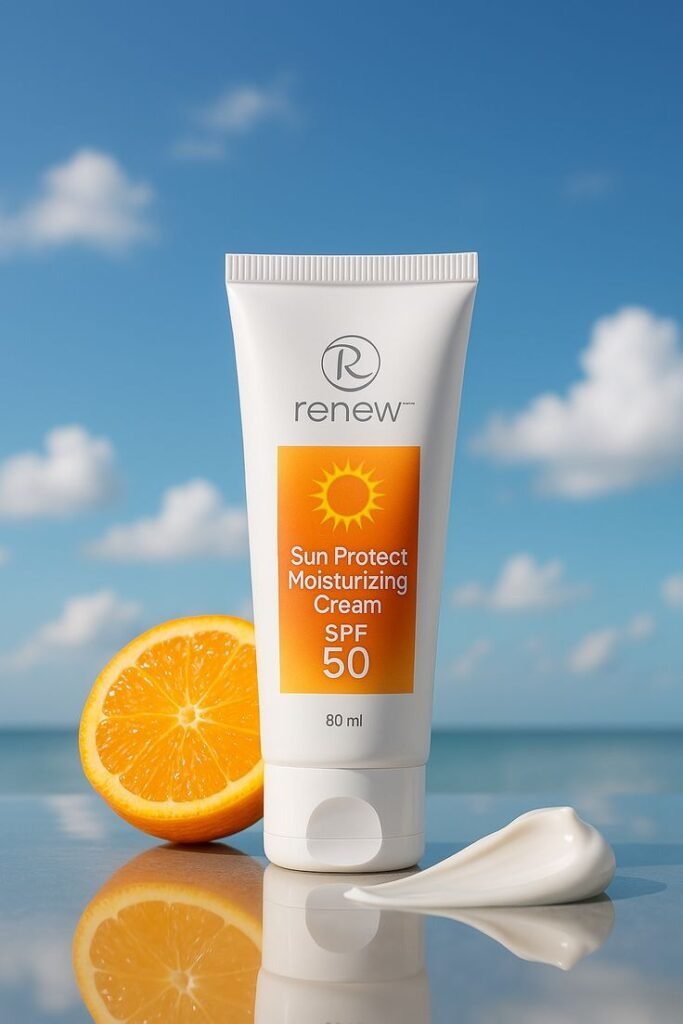
Sun Cream: The Ultimate Guide to Protecting Your Skin Every Day Introduction Sun cream is more than just a seasonal skincare product—it’s an essential part of a healthy daily routine. Whether you’re heading to the beach, commuting to work, exercising outdoors, or spending time near windows, your skin is constantly exposed to ultraviolet (UV) rays that can cause both immediate and long-term damage. Using sun cream regularly helps protect your skin from harmful UV radiation, preventing sunburn, premature aging, pigmentation, and even reducing the risk of skin cancer. In today’s world, where environmental factors and increased sun exposure can negatively impact skin health, sun cream serves as a powerful shield that keeps your skin safe, healthy, and youthful. What Is Sun Cream? Sun cream, also known as sunscreen, is a skincare product designed to protect the skin from the sun’s ultraviolet rays. It contains active ingredients that either absorb, reflect, or scatter UV radiation before it can penetrate and damage the skin. There are two primary types of UV rays that affect the skin: UVA Rays: Responsible for premature aging, wrinkles, and long-term skin damage. UVB Rays: Cause sunburn and play a significant role in the development of skin cancer. A broad-spectrum sun cream protects against both UVA and UVB rays, offering comprehensive defense against sun-related skin damage. Why Is Sun Cream Important? Many people believe sun cream is only necessary during summer or on sunny days. However, UV rays can penetrate clouds and affect your skin throughout the year. Even indoor exposure through windows can contribute to skin aging and damage. Benefits of Using Sun Cream 1. Prevents Sunburn Sunburn occurs when the skin receives excessive UV radiation. Sun cream acts as a protective barrier, reducing the risk of redness, irritation, and peeling. 2. Reduces Premature Aging Regular use of sun cream helps prevent fine lines, wrinkles, and loss of skin elasticity caused by prolonged sun exposure. 3. Prevents Dark Spots and Hyperpigmentation UV exposure can trigger uneven skin tone and pigmentation. Sun cream helps maintain a brighter, more even complexion. 4. Lowers the Risk of Skin Cancer Consistent sun protection reduces cumulative UV damage, one of the leading causes of skin cancer. 5. Maintains Healthy Skin Sun cream protects collagen and elastin fibers, helping the skin remain firm, smooth, and youthful. Understanding SPF SPF stands for Sun Protection Factor. It measures how effectively a sunscreen protects against UVB rays. Common SPF Levels SPF 15: Blocks approximately 93% of UVB rays. SPF 30: Blocks approximately 97% of UVB rays. SPF 50: Blocks approximately 98% of UVB rays. SPF 100: Offers slightly higher protection but does not provide complete blockage. For everyday use, dermatologists generally recommend SPF 30 or higher. Types of Sun Cream Mineral (Physical) Sunscreen Mineral sunscreens contain ingredients such as zinc oxide and titanium dioxide that sit on the skin’s surface and reflect UV rays. Advantages: Suitable for sensitive skin Provides immediate protection Less likely to cause irritation Chemical Sunscreen Chemical sunscreens absorb UV rays and convert them into heat before releasing them from the skin. Advantages: Lightweight texture Easy to apply Often leaves no white residue Choosing the Right Sun Cream for Your Skin Type For Oily Skin Look for: Oil-free formulas Gel-based sunscreens Non-comedogenic products For Dry Skin Choose: Moisturizing sunscreens Cream-based formulas Products containing hyaluronic acid or glycerin For Sensitive Skin Select: Fragrance-free options Mineral sunscreens Dermatologist-tested products For Combination Skin Lightweight lotions with balanced hydration work best. How to Apply Sun Cream Correctly Many people do not apply enough sunscreen, reducing its effectiveness. Follow These Steps: Cleanse and moisturize your skin. Apply sun cream 15–20 minutes before sun exposure. Use a generous amount on all exposed areas. Don’t forget commonly missed spots: Ears Neck Hands Feet Back of the neck Reapply every two hours. Reapply immediately after swimming, sweating, or towel drying. Common Myths About Sun Cream Myth 1: I Only Need Sun Cream on Sunny Days Fact: UV rays can penetrate clouds and affect your skin year-round. Myth 2: Dark Skin Doesn’t Need Sunscreen Fact: All skin tones can experience sun damage and benefit from protection. Myth 3: Makeup with SPF Is Enough Fact: Makeup SPF alone is usually insufficient for full protection. Myth 4: One Application Lasts All Day Fact: Sunscreen needs regular reapplication to remain effective. Additional Sun Protection Tips While sun cream is essential, combining it with other protective measures provides the best results: Wear sunglasses with UV protection. Use wide-brimmed hats. Seek shade during peak sunlight hours. Wear protective clothing when outdoors. Stay hydrated throughout the day.  

Shopping Cart
Scroll to Top